
TMJ Treatment – Annandale, VA
Put a Stop to Jaw & Head Pain
TMJ disorders occur when the temporomandibular joint that connects the jaw to the skull is not working properly. TMJ disorders may develop for multiple reasons. If you clench or grind your teeth, you may put stress on the jaw and TMJ joint. Injuries and arthritis can damage the joint and muscle ligaments, removing the “cushion” for the jaw joint. Dr. Salari provides comprehensive TMJ treatment for Annandale, VA dental patients. She has experience in diagnosing and treating TMJ disorders. It is important to visit her dental office on a regular basis so she can detect TMJ problems and provide restorative dental care.
What Is TMJ Disorder?
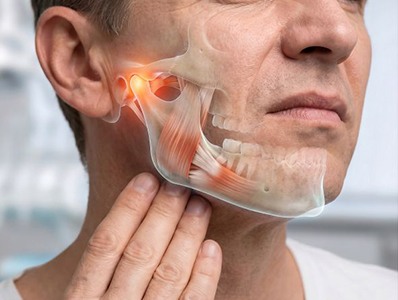
TMJ disorder (TMD) is sometimes referred to as TMJ dysfunction. These terms actually do not describe any single issue. Rather, they can apply to a range of problems that affect the temporomandibular joints (TMJs). These are the joints that connect your lower jaw to the rest of your skull. When they become stressed or suffer damage, symptoms of TMD are the result.
Virtually anyone can develop TMD, and it can have numerous causes, including injuries, arthritis, dental misalignment, and even high stress levels.
Symptoms of TMJ Disorders
Common signs of TMJ disorders include:
- Jaw clenching and teeth grinding
- Sore and stiff jaw muscles
- Frequent headaches
- Jaw clicking and popping
- Difficulty eating
- Worn teeth
Contact our dental office if you have noticed any of these signs of TMJ disorders. We will help find the best treatment option for your needs.
Treating TMJ Disorders
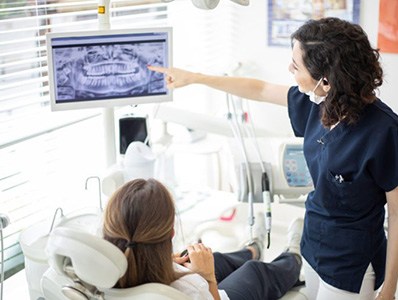
Dr. Salari will evaluate your teeth and jaw for a proper diagnosis. Then, she will create a treatment plan. Some of the options she offers for TMJ treatment include:
Medicine and Exercise
A pain reliever, anti-inflammatory, or muscle relaxant may be used for patients with mild TMJ symptoms. Medicine can also be directly injected into sore or painful joints in order to reduce inflammation. If you have mild TMJ symptoms, you may also eat soft foods, exercise your jaw, and apply ice packs to your jaw.
Oral Appliance Therapy
Dr. Salari may also recommend oral appliance therapy, a treatment that uses a nightguard. This nightguard fits over the teeth and relaxes the muscles. It also stops the teeth from touching and wearing down the enamel. Nightguards protect the cartilage and joint surfaces. They move your jaw forward, relieve pressure points on the jaw, and reposition the jaw discs.
Bite Adjustment and Surgery
Bite adjustment, or equilibration, helps even out the upper and lower teeth. This procedure reduces pressure caused by crooked teeth or an uneven bite by smoothing the bumps and ridges of the tooth surfaces. For patients with severe TMJ issues or jaw misalignment, we may recommend surgical options. TMJ surgery is the last result of severe degeneration or dislocation.
Schedule an Appointment Today
Do you suffer from jaw stiffness, soreness, or pain? You may have a TMJ disorder. Contact Nova Smile Dental today at 703.763.0800 or request a dental appointment with Dr. Salari online.
TMJ Treatment FAQs
Can TMJ disorder be cured permanently?
We hope to help our Annandale patients find lasting relief from TMJ disorder. Not only can we assist with symptom management, but we also offer therapies that seek to address the underlying cause of the problem.
For example, an oral appliance (also called an orthotic splint or TMJ splint) can gently reposition the jaw during sleep and relieve stress on surrounding muscles. Minor bite adjustments are another option; they can get rid of discrepancies in the way your upper and lower teeth work together, which can lead to long-term results.
Keep in mind, though, that even with successful treatment, TMD flare-ups may still occur. This may happen if you encounter new life stressors, suffer a dental injury, or enter other circumstances that pose a threat to your TMJ health.
Is TMJ treatment safe?
Yes, TMJ treatment is generally very safe. Most of the methods used to address this condition are conservative and non-invasive. We take great care to design treatment plans to minimize risk while maximizing potential benefits. Severe side effects are quite rare.
If you have questions about the potential risks and side effects of any treatment plan that we recommend for you, do not hesitate to ask.
How long does it take for a TMJ splint to work?
Many patients notice a positive difference in their symptoms very soon after starting to use their TMJ splint/nightguard. However, you should not expect your appliance to act as an overnight cure.
With consistent use, your pain and related symptoms should gradually start to subside. Within six weeks, you may notice a big difference in how you feel. After 3 – 6 months, you will likely get to enjoy the full results of your TMJ therapy.
Of course, each patient is different. We cannot make any guarantees about how long it will be before you are free from TMJ pain and its associated problems.
Can TMJ disorder be treated without surgery?
Yes! In fact, surgery is viewed as a last resort for the treatment of TMJ disorder. In the vast majority of cases, more conservative options are effective.
We may only recommend surgery if your case is particularly severe or complex. If you need surgical intervention, the specialist who performs your procedure can provide detailed information about what they will do, how they expect it to help, and what your recovery is likely to look like.