Sleep Apnea Treatment – Annandale, VA
Get the Sleep You Deserve Without CPAP
It used to be that when you were diagnosed with sleep apnea, your only treatment option was CPAP. Although effective, this required the use of an awkward mask and uncomfortable tubing that many patients simply never used. Unfortunately, however, if you don’t use it, it can’t help you. The good news is that today, many patients have found comfortable relief from their sleep apnea symptoms with the help of a custom sleep appliance from their dentist. These devices reposition the jaw to prop the airway open naturally, without the use of forced air, masks, or tubing. To learn more about how they work, and how your dentist can help you get the good night’s sleep you deserve, keep reading.
Why Choose Nova Smile Dental for Sleep Apnea Treatment?
- Dentist Trained in Sleep Medicine
- Comfortable, Custom-Made Appliances Available
- Dental Insurance and Medicaid Welcome
What is Sleep Apnea?
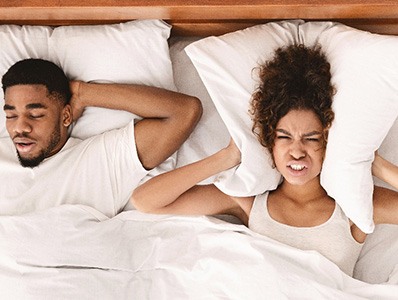
Do you struggle to stay asleep each night, or wake frequently? Has your partner noticed that you snore or gasp for air while sleeping? Do you feel tired or grouchy throughout the day, or have slowed reaction times, forgetfulness, or wake up with frequent headaches or a sore throat? You could have a condition called sleep apnea. The most common type of sleep apnea is called obstructive sleep apnea, or OSA. This happens when the airway becomes obstructed during sleep, causing difficulties breathing. Other types include central sleep apnea (CSA) where your brain does not receive proper signals to breathe during sleep, and mixed sleep apnea (a combination of both OSA and CSA).
The Dangers of Sleep Apnea
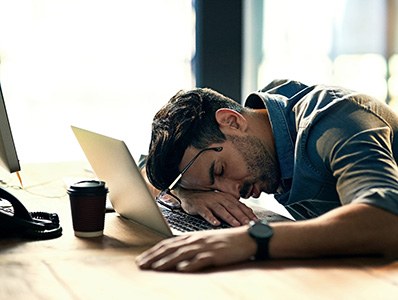
Unfortunately, sleep apnea doesn’t just impact your sleep. It can also negatively affect your overall quality of life by increasing your risk of a variety of dangerous medical conditions including stroke, cardiovascular disease, and diabetes, not to mention daytime lethargy and cognitive decline that could make everyday activities like driving a car extremely dangerous.
Sleep Apnea Treatment Options
Traditionally, patients with sleep apnea have been treated with the same method, CPAP therapy. Short for continuous positive airway pressure, CPAP relies on a machine that forces air into the airway via a mask and tubing to essentially prop the airway open so you can breathe. While both safe and effective, many patients find it uncomfortable, and because of that don’t comply with treatment as prescribed.
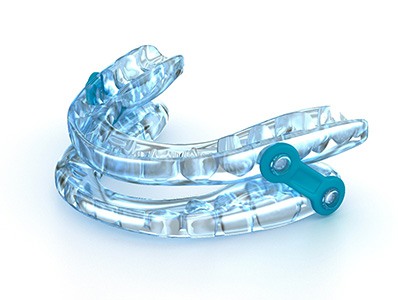
The good news is that today there are alternatives to CPAP, including oral appliance therapy. Available from your dentist, you’ll first need to undergo a sleep study from your doctor to get a proper diagnosis. Once you have this information, your sleep dentist can determine whether you would be a good candidate for oral appliance therapy. If you are, you can be fitted for your device right away and look forward to a better night’s sleep without the use of complicated machinery or awkward masks.
Sleep appliances are custom fit to your mouth, so they are extremely comfortable. They are also completely wireless, so you don’t need electricity to use them. In fact, they can fit discreetly in a purse or carry-on bag for travel. As for cleaning them, they can be cleaned the same way you would clean dentures or a retainer. Simply rinse it well and wash it with a mild hand soap or dish detergent, and then pat dry and store in its protective case until you’re ready to wear it again.
Sleep Apnea Frequently Asked Questions
How do I know if I have sleep apnea?
If you are experiencing any of the symptoms mentioned above or have been told that you snore, a sleep study is often the best way to diagnose sleep apnea.
What is a sleep appliance?
Oral appliances for use in treating sleep apnea are fitted much like a sports mouthguard. They are custom designed and fitted to your jaw and bite so that they can facilitate natural breathing and an open airway. They are comfortable and convenient and most patients are able to use them nightly without discomfort. Oral appliances for sleep apnea are also easy to travel with so that you can maintain your treatment when away from home.
What happens if sleep apnea is not treated?
When left untreated, sleep apnea has proven to affect physical health due to the impact that poor sleep can have on the body and quality of life. It can increase the risk for hypertension, stroke, and heart attack in patients who are also overweight or obese. There are also other underlying health concerns and lifestyle habits that can be the cause of sleep apnea. Identifying the cause of your sleep problem will improve your health and wellness.
Does Everyone Who Snores Have Sleep Apnea?
It is true that loud snoring is often a warning sign of sleep-disordered breathing. However, snoring alone does not automatically mean that you have sleep apnea. A sleep study will need to be performed to properly diagnose the problem so that you can seek an effective form of treatment.
There’s a good chance that your snoring could be related to sleep apnea if it’s accompanied by pauses in your breathing, excessive drowsiness during the day, morning headaches, concentration problems, and gasping for air at night.
Will My Sleep Apnea Go Away If I Lose Weight?
Fatty deposits in the neck can block the airway while you’re asleep, leading to breathing interruptions. Thus, people who are obese or overweight generally have a higher risk of developing sleep apnea. In many cases, losing weight could reduce the presence of fatty tissues in the neck, which in turn could make sleep-disordered breathing less severe. Bear in mind, though, that there’s no guarantee that your sleep apnea will go away entirely after weight loss.
Can I Get a Sleep Appliance If I Grind My Teeth?
Many people with sleep apnea also grind their teeth at night. This condition is known as bruxism, and it can significantly wear down or damage the teeth if left untreated.
If you have bruxism, you may be worried that it will interfere with your ability to get a sleep appliance from your sleep dentist. Fortunately, this is not the case. Our sleep appliances are very durable and can withstand the pressures of nightly grinding and clenching. In fact, one of the side benefits of wearing a sleep appliance is that it can help protect your teeth from the effects of bruxism.
How Should I Clean My Sleep Appliance?
You should brush your sleep appliance every morning when you take it out of your mouth. Be sure to use a soft-bristled toothbrush and a non-abrasive cleaning agent (such as liquid hand soap) that won’t damage the appliance. Once you’re done brushing, you should put the appliance in its protective case until you’re ready to wear it again.
It can also be a good idea to soak your sleep appliance in denture cleanser at least once a week. This can go a long way toward getting rid of the bacteria and plaque that you might have missed with brushing alone.
What Does Sleep Apnea Look Like for Women?
It’s important to note that men and women often experience different sleep apnea symptoms. Men are more likely to snore and feel excessively sleepy during the day. Meanwhile, women with sleep-disordered breathing may notice more subtle symptoms such as increased feelings of anxiety or depression, insomnia, and fatigue.
It should be noted that some women have a higher risk of developing sleep apnea than others. In particular, the disorder tends to be more common among women who are pregnant or post-menopausal.