
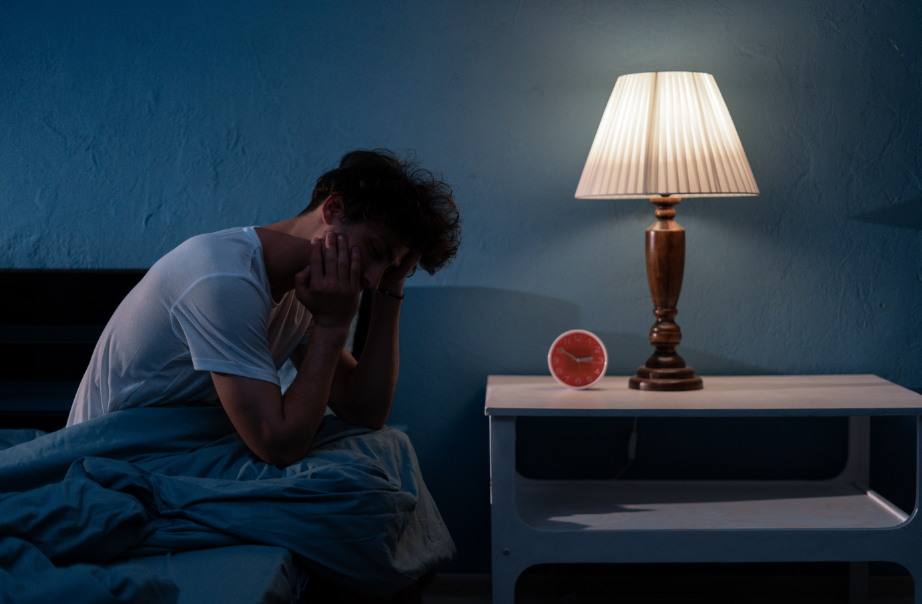
Waking up gasping for air or with your heart pounding is frightening enough—but for some people, sleep apnea also brings vivid, unsettling nightmares. While these dreams may seem mysterious, research shows that oxygen deprivation during sleep can influence the types of dreams patients experience. Understanding this connection can help you take steps toward safer, more peaceful nights.
What Is Sleep Apnea?
Sleep apnea is a condition in which breathing stops repeatedly throughout the night. The most common type, obstructive sleep apnea (OSA), occurs when the airway becomes blocked due to relaxed throat muscles or excess tissue. Each pause in breathing forces the body to jolt awake briefly so airflow can resume. Although these interruptions are often too short to remember, they prevent deep, restorative sleep.
Common symptoms include loud snoring, daytime fatigue, morning headaches, and waking with a dry mouth or sore throat. Many people do not realize they have sleep apnea until a partner notices the symptoms.
How Sleep Apnea Can Cause Nightmares
Nightmares may occur when oxygen levels drop during an apneic episode. As the body struggles for air, the brain may interpret the stress as danger, resulting in dreams that feel threatening, claustrophobic, or panic-inducing. Some patients report dreams of drowning, choking, or being trapped—imagery that mirrors their physical struggle to breathe.
Studies also suggest that disruptions to REM sleep, the stage most associated with dreaming, may contribute to more vivid or distressing dreams. Because OSA often interferes with REM cycles, the brain may compensate by producing intense dreams when it finally reaches this stage.
The Effects of Oxygen Deprivation
When breathing repeatedly stops, the body experiences stress responses, including spikes in heart rate and cortisol levels. This physical stress can influence dream content, making nightmares more frequent or more emotionally charged. Over time, poor sleep quality and repeated nighttime awakenings can also increase anxiety, which may contribute to even more disturbing dreams.
Getting Sleep Apnea Under Control
The good news is that treating sleep apnea often reduces or even eliminates nightmares entirely. Improving airflow during sleep helps maintain healthy oxygen levels and reduces interruptions to the sleep cycle.
Common treatment options include:
- Oral appliance therapy: Customized mouthpieces help keep the airway open by repositioning the jaw.
- CPAP therapy: A continuous positive airway pressure machine delivers air that prevents airway collapse.
- Lifestyle changes: Weight management, avoiding alcohol before bed, and sleeping on your side can ease symptoms.
- Addressing nasal congestion: Treating allergies or sinus issues may also improve nighttime breathing.
With proper care, most patients experience fewer nighttime disruptions, improved rest, and a reduction in anxiety-driven dreams.
A peaceful night’s sleep is possible once your sleep apnea is properly managed.
About the Practice
At Nova Smile Dental, patients have access to effective sleep apnea treatment designed to restore healthy breathing and restful sleep. Dr. Salari and her team offer customized oral appliances and comprehensive care tailored to each patient’s needs. We’re dedicated to finding solutions that work for you so you can enjoy sweet dreams and a restful night’s sleep.
Call us at (703) 763-0800 or request an appointment online.