
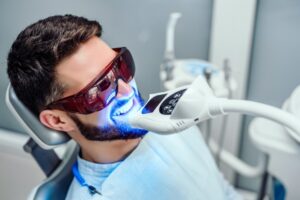
Teeth whitening is one of the most popular ways to enhance your smile. With so many over-the-counter products available, it can be tempting to start whitening on your own. However, consulting your dentist before beginning any whitening treatment is an important step that can protect your oral health and ensure the best results.
1. Identify the Cause of Discoloration
Not all tooth stains are the same. Some are caused by surface stains from coffee, tea, or tobacco, while others may be due to internal factors like aging, medications, or trauma.
A dentist can determine the cause of your discoloration and recommend the most effective treatment. Whitening products work best on certain types of stains, so using them without proper guidance may lead to disappointing results.
2. Ensure Your Teeth and Gums Are Healthy
Before whitening, your dentist will check for any underlying dental issues such as cavities, gum disease, or enamel damage. Whitening products can irritate sensitive areas or worsen existing problems if they’re not addressed first.
For example, untreated gum issues or exposed tooth roots can lead to increased sensitivity or discomfort during whitening. Your dentist can treat these concerns beforehand to make the process safer and more comfortable.
3. Get Professional Guidance on the Right Method
There are many whitening options available, including strips, gels, trays, and in-office treatments. Choosing the right one can be confusing.
Your dentist can recommend the best method based on your needs, goals, and oral health. Professional treatments are often more effective and can deliver faster, longer-lasting results compared to over-the-counter options.
They can also provide custom trays that ensure even application and minimize contact with your gums.
4. Avoid Sensitivity and Damage
One of the most common side effects of whitening is tooth sensitivity. Using products too frequently or at the wrong strength can increase discomfort and even damage your enamel.
A dentist can guide you on how often to whiten and which products are safe for you to use. This helps reduce the risk of sensitivity and protects your teeth from unnecessary harm.
5. Achieve Even, Natural Results
If you have dental restorations such as crowns, veneers, or fillings, it’s important to know that these materials do not respond to whitening agents. Whitening without professional advice can result in uneven coloring across your smile.
Your dentist can help you plan a treatment that ensures a balanced, natural-looking result.
While whitening your teeth can boost your confidence, doing it without professional guidance can lead to unwanted side effects or uneven results. Consulting your dentist ensures your teeth are healthy, your treatment is appropriate, and your results are safe and effective.
About the Author
Dr. Salari earned her dental degree in 2003 from the Universite Libre de Bruxelles in Belgium before completing a 3-year residency in the U.S. at Nova Southeastern University in Ft. Lauderdale, FL. She specializes in smile makeovers, implant dentistry, TMJ disorders, veneers, and Invisalign. Dr. Salari also prioritizes a welcoming office as she speaks English, French, Farsi, and is learning Spanish. If you’re interested in teeth whitening, Dr. Salari and our team invite you to Nova Smile Dental in Annandale. Book your appointment online or call (703) 763-0800.